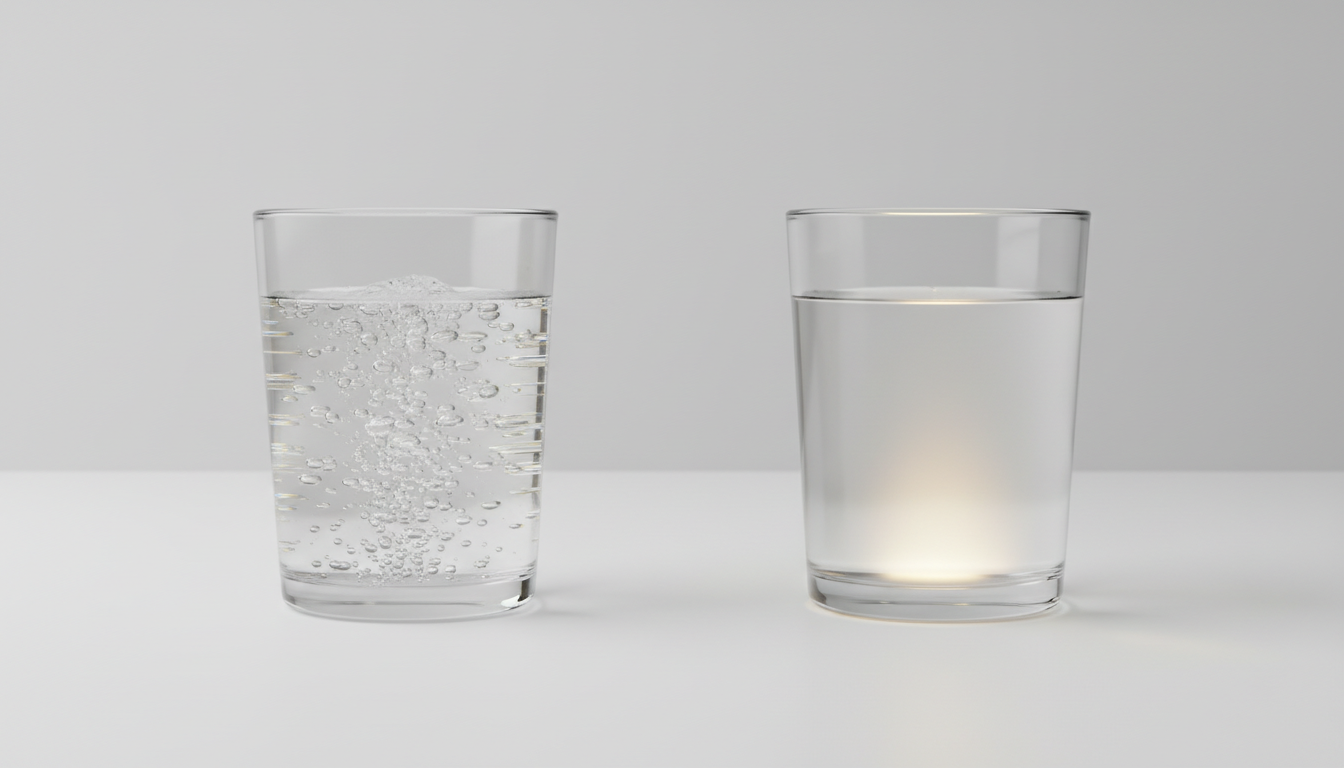
Hydrogen Water vs Light-Infused Water: What’s the Difference and Which Is Better?

by

If you’ve ever wondered whether hydrogen water is worth the hype, you’re asking the right question. The market is flooded with hydrogen water products ranging from cheap tablets to expensive ionisers, and the claims range from sensible to extraordinary. Separately, a newer category of water technology, light-infused water, has emerged from the world of biophotonics and is generating significant interest among people focused on longevity and cellular health.

So how do these two approaches compare? What does each one actually do, and is one better than the other?

Hydrogen Water: The Science Is Real

Hydrogen water is water that has been infused with dissolved molecular hydrogen gas (H2). Unlike other wellness water categories, hydrogen water has a robust body of scientific research behind it. Over a thousand peer-reviewed studies have examined molecular hydrogen’s biological effects, and the evidence is genuinely compelling in several areas.

The primary mechanism is antioxidant activity. Molecular hydrogen is the smallest molecule in existence, small enough to pass through cell membranes and enter mitochondria directly. There it acts as a selective antioxidant, neutralising specifically the most harmful free radicals, the hydroxyl radical and peroxynitrite, without interfering with the beneficial reactive oxygen species that your immune system and cellular signalling systems need. This selectivity is what makes hydrogen different from broad-spectrum antioxidant supplements, which can sometimes do more harm than good by neutralising too many free radicals indiscriminately.

Research has associated hydrogen water consumption with reduced inflammatory markers, improved athletic recovery, better metabolic function, and measurable reductions in oxidative stress. Studies in people with metabolic syndrome have shown significant reductions in oxidative stress markers after 8 weeks of hydrogen water consumption. Clinical trials in athletes have demonstrated faster lactate clearance and reduced muscle damage markers after training.

Light-Infused Water: The Next Layer

Light-infused water is a fundamentally different concept. Rather than adding a chemical compound to water, it uses specific frequencies of light to alter the molecular geometry of water molecules themselves. The process is additive-free: nothing goes into the water except an energetic change at the molecular level.

The science behind this approach draws on biophotonics, the established field of research demonstrating that cells communicate and coordinate via light (biophoton emissions). LifeWave’s X2O water technology, the primary commercial application of this concept, uses patented technology to embed specific light frequencies into water in a way designed to support the body’s existing biophotonic signalling systems.

The claimed effects include enhanced cellular uptake (more water actually reaching the interior of cells), support for NAD+ biosynthesis and collagen production, and telomere stability, all biological markers directly relevant to longevity and cellular repair.

Where They Overlap and Where They Differ

Both approaches aim to make water more biologically active, working with the body’s existing systems rather than overriding them. Both are focused on cellular health, energy, and recovery. Both target the oxidative stress and cellular inefficiency that underlie most of the conditions associated with poor health and accelerated ageing.

The key differences are in mechanism and evidence base. Hydrogen water works through a known chemical mechanism (dissolved molecular hydrogen as antioxidant) with a large body of peer-reviewed research. Light-infused water works through an energetic mechanism (biophotonic frequency encoding) with a smaller but growing body of clinical observation and a strong theoretical foundation in established biophotonics science.

LifeWave’s X2O machine does both. It combines 2-stage filtration with hydrogen enrichment and light frequency infusion in a single process. This means X2O water delivers the antioxidant benefits of hydrogen water alongside the biophotonic benefits of light-infused water, making a meaningful comparison between the categories slightly redundant for X2O users.

Which Is Right for You?

If you’re looking for the most evidence-backed starting point, hydrogen water has the strongest peer-reviewed support of any enhanced water category. If you’re interested in the frontier of biophotonic wellness and are comfortable with emerging technologies, light-infused water offers a genuinely novel approach that standard hydrogen water doesn’t address. If you want both, X2O is designed specifically to deliver them together.

Before upgrading your water, it helps to know where your hydration actually stands. Your free Hydration Score gives you a personalised baseline in two minutes.

What is hydrogen water and does it actually work?

Hydrogen water is water infused with dissolved molecular hydrogen gas. The scientific evidence for its effects is robust, with over a thousand peer-reviewed studies examining its biological activity. It works primarily as a selective antioxidant, neutralising the most harmful free radicals without interfering with beneficial ones. Evidence supports its effects on oxidative stress reduction, inflammation, athletic recovery, and metabolic function.

What makes light-infused water different from hydrogen water?

Hydrogen water adds a chemical compound (dissolved H2 gas) to water. Light-infused water uses specific light frequencies to alter the molecular geometry of water itself, without adding any substances. The two approaches target different biological mechanisms: hydrogen water primarily works through antioxidant activity, while light-infused water aims to support the body’s biophotonic cellular signalling systems. LifeWave X2O combines both approaches in a single machine.

Is hydrogen water better than regular water for hydration?

For hydration volume, hydrogen water is equivalent to regular water since the dissolved hydrogen doesn’t significantly alter its fluid properties. The difference is in biological activity. Hydrogen water delivers antioxidant support that plain water cannot, which reduces oxidative stress at the cellular level and may support more efficient cellular function. This can translate to better energy, faster recovery, and reduced inflammation alongside normal hydration.

How does X2O water compare to standard hydrogen water machines?

Standard hydrogen water machines infuse water with molecular hydrogen, usually through electrolysis. LifeWave X2O goes further by combining two-stage filtration (removing heavy metals, microplastics, and PFAS), hydrogen enrichment (antioxidant H2), and light frequency infusion (biophotonic support) in a single process. This makes X2O water categorically different from standard hydrogen water, addressing purity, antioxidant activity, and cellular biophotonic support simultaneously.

What is the evidence for light-infused water?

LifeWave’s clinical observations of X2O include thermal imaging, blood microscopy, and energy field analysis studies showing rapid physiological responses in participants. Measurable markers including NAD+ levels, collagen production, and telomere stability have been examined. The broader scientific foundation for biophotonics, the field X2O draws on, is well established. Peer-reviewed literature specifically on light-infused drinking water is an emerging area with growing clinical interest.

Can you drink hydrogen water every day?

Yes. Molecular hydrogen has an excellent safety profile and has been used daily in clinical trials without adverse effects. It’s naturally produced in small amounts by gut bacteria and is classified as generally safe. Daily consumption is how most benefits in clinical studies are achieved. The same applies to light-infused water. Consistency is what drives the cumulative cellular benefits of both technologies.

Disclaimer: This article is for informational purposes only and does not constitute medical advice. Please consult a qualified healthcare professional before making changes to your health routine.


Comments

Leave a Reply

Discover more from Simply Younger Journal

Subscribe now to keep reading and get access to the full archive.

Continue reading