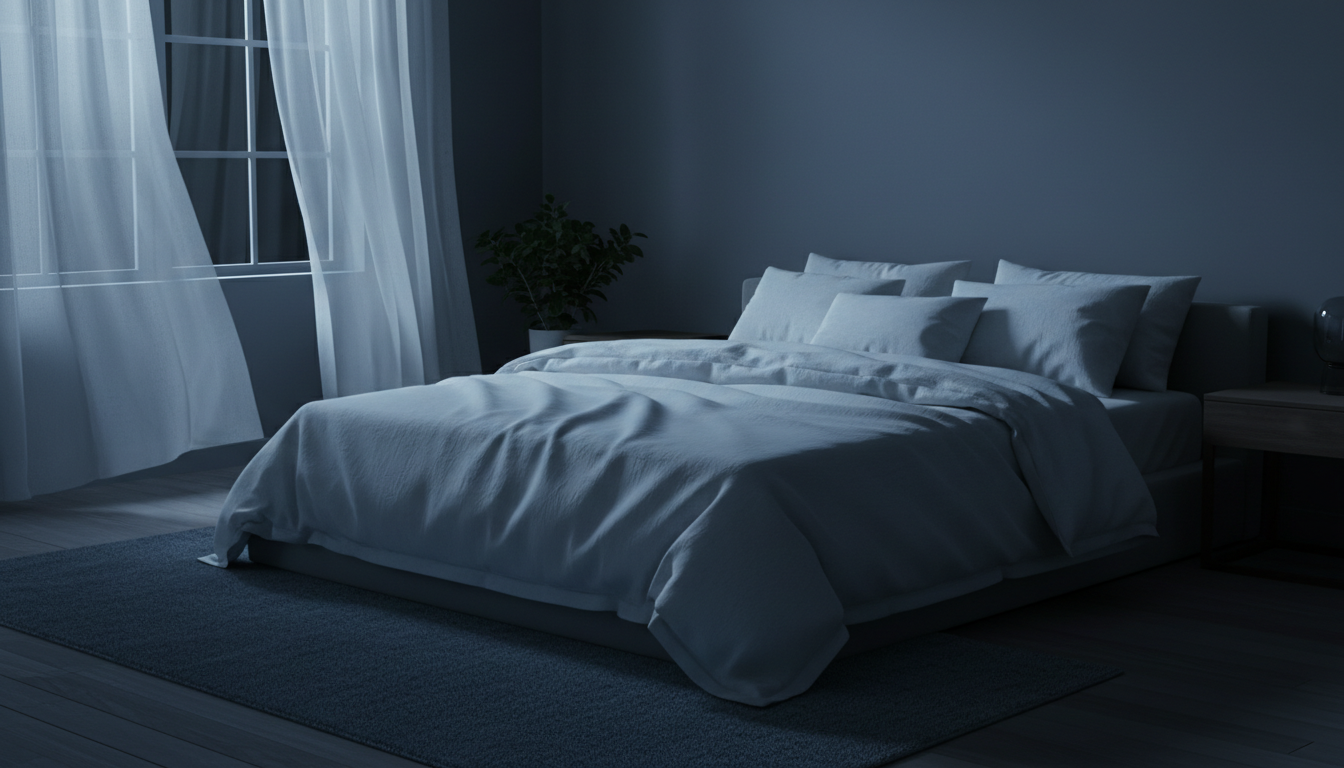
Sleep has become one of the most searched health topics of 2026 — and for good reason. After decades of being treated as optional, rest is finally getting the scientific attention it deserves. We now know that sleep isn’t passive recovery. It’s one of the most active and critical biological processes your body runs — and when it’s disrupted, almost everything else suffers. Here’s what the science says about sleeping better, especially as you age.
Why Sleep Changes After 40
Many adults notice their sleep shifting in their 40s and 50s — lighter, more fragmented, earlier waking, and a sense that they’re not getting the deep rest they used to. This isn’t just perception. Sleep architecture genuinely changes with age: time spent in deep slow-wave sleep (the most physically restorative stage) decreases, REM sleep becomes more disrupted, and the production of melatonin — the hormone that initiates sleep — declines. Understanding that these are biological changes rather than personal failures is the first step toward working with them rather than against them.
What Happens While You Sleep
Sleep is when your body does its most important maintenance work. Growth hormone — the primary signal for cellular repair and tissue regeneration — is released almost exclusively during deep sleep. The brain’s glymphatic system, which clears metabolic waste including the proteins associated with neurological aging, activates primarily during sleep. Inflammatory cytokines are regulated. Immune function is consolidated. Muscle protein synthesis peaks.
In short: every system that keeps you feeling vital and well operates more effectively when sleep is consistently good. And every system that keeps you aging well — repair, regeneration, inflammation control — is significantly impaired when sleep is chronically poor.
The Most Effective Sleep Improvements
Consistent sleep and wake times are the single most powerful lever for sleep quality. Your circadian rhythm — the internal clock that governs sleep-wake cycles — is set by light and reinforced by consistent timing. Going to bed and waking at the same time every day, including weekends, anchors this rhythm and improves both sleep onset and sleep depth significantly.
Morning light exposure within 30 minutes of waking is one of the most evidence-backed sleep hacks available. Natural light suppresses residual melatonin, firmly sets the circadian clock, and — crucially — determines how well melatonin rises again in the evening. If you wake up and go straight to an artificially lit room, you’re working against your own biology.
Temperature matters more than most people realise. Your core body temperature needs to drop 1–2 degrees to initiate and maintain sleep. A cool room (around 65–68°F or 18–20°C) significantly improves both sleep onset and deep sleep quality. A warm shower or bath 90 minutes before bed can paradoxically help — the subsequent body cooling acts as a sleep signal.
Caffeine timing is widely underestimated as a sleep disruptor. Caffeine has a half-life of 5–7 hours in most people — meaning a 3pm coffee still has significant stimulant effect at 9pm. Cutting off caffeine by early afternoon is one of the most impactful adjustments most people can make.
Blue light management in the 2 hours before bed reduces the suppression of melatonin caused by screens. Blue-light-blocking glasses, night mode settings, and simply reducing screen brightness all help signal to the brain that sleep is approaching.
Light Therapy and Sleep: A Newer Connection
An emerging area of sleep research involves the relationship between light therapy and sleep quality. Light is one of the body’s most fundamental biological signals — influencing circadian rhythms, cortisol patterns, and melatonin production. Wearable phototherapy tools that use the body’s own emitted infrared energy to provide a gentle cellular signal are increasingly being explored as part of a comprehensive approach to sleep and recovery, particularly for people over 40 who are managing the biological shifts that affect rest.
Poor sleep is one of the fastest ways to age your biology. If you want to understand how recovery, energy, and daily tools connect, take the Body Age Challenge — it’s free, takes a few minutes, and gives you a clear picture of where to focus.
Explore the light-based wellness tool that supports energy, recovery, and daily vitality — worn on the skin, no drugs, no stimulants.
Why is it harder to sleep as you get older?
Sleep architecture changes with age: deep slow-wave sleep decreases, melatonin production declines, and circadian rhythms become less robust. These are genuine biological shifts, not simply poor sleep habits — and they respond well to specific sleep hygiene strategies.
What is the most effective way to improve sleep quality?
Consistent sleep and wake timing is the single most evidence-backed sleep improvement. Morning light exposure, a cool bedroom temperature, eliminating caffeine after early afternoon, and reducing blue light before bed all compound significantly on top of this foundation.
How does morning light affect sleep at night?
Morning light exposure sets the circadian clock and determines how effectively melatonin rises in the evening. Viewing natural light within 30 minutes of waking is one of the most powerful and free tools available for improving sleep quality later that night.
What temperature should my bedroom be for sleep?
Research consistently points to 65–68°F (18–20°C) as the optimal range for sleep. Your core body temperature needs to drop to initiate and maintain sleep, and a cool room environment significantly supports both sleep onset and deep sleep quality.
Does caffeine really affect sleep that much?
Yes — significantly. Caffeine has a half-life of 5–7 hours, meaning half the caffeine from a 3pm coffee is still in your system at 9pm. This suppresses adenosine (the sleep drive molecule) and measurably reduces deep sleep quality even when you feel like you fell asleep normally.
What does sleep have to do with aging?
Sleep is when the most critical repair and regeneration processes occur — growth hormone release, glymphatic brain clearance, immune consolidation, and inflammatory regulation. Chronic poor sleep measurably accelerates biological aging on epigenetic clocks and is associated with higher rates of virtually every age-related disease.
Disclaimer: This content is for informational purposes only. LifeWave products are not intended to diagnose, treat, cure, or prevent any disease. These statements have not been evaluated by the Food and Drug Administration. Always consult a qualified healthcare professional before beginning any new wellness regimen.
Leave a Reply