Affiliate & partner disclosure: This article contains affiliate links, and I may earn a commission if you buy through them at no extra cost to you. As an authorised LifeWave Brand Partner, I have a financial interest in promoting LifeWave products. Testimonial/editorial given by a LifeWave brand partner with financial interest in promoting the product. Full disclosure at the end.
An update on this post. An earlier version suggested X2O water had been linked to collagen, telomere and NAD+ markers. There’s no published evidence for that, so I’ve rewritten it. X2O is a general-wellness hydration product and is not intended to diagnose, treat, cure or prevent any disease.
Light therapy has real uses in medicine — from bright-light therapy for seasonal depression to certain skin treatments. LifeWave’s X2O claims to deliver light’s effects through drinking water. Here’s what the underlying science says, and where the claim goes beyond it.
Key takeaways
- Medical light therapies are specific treatments with their own evidence.
- Biophotons (ultra-weak light from cells) have been measured; their role isn’t established.
- There’s no independent evidence that light can be stored in drinking water and act in the body.
- Claims linking X2O to collagen, telomeres or NAD+ are unsupported.
- Hydration matters — from any clean water.
Biophotons: what’s actually known
Living cells give off extremely weak light, called biophoton emission, which researchers have measured since the 1970s. Some scientists have proposed a role in cell signalling, but that remains speculative. It doesn’t provide evidence that adding light to water would do anything.
Water and light
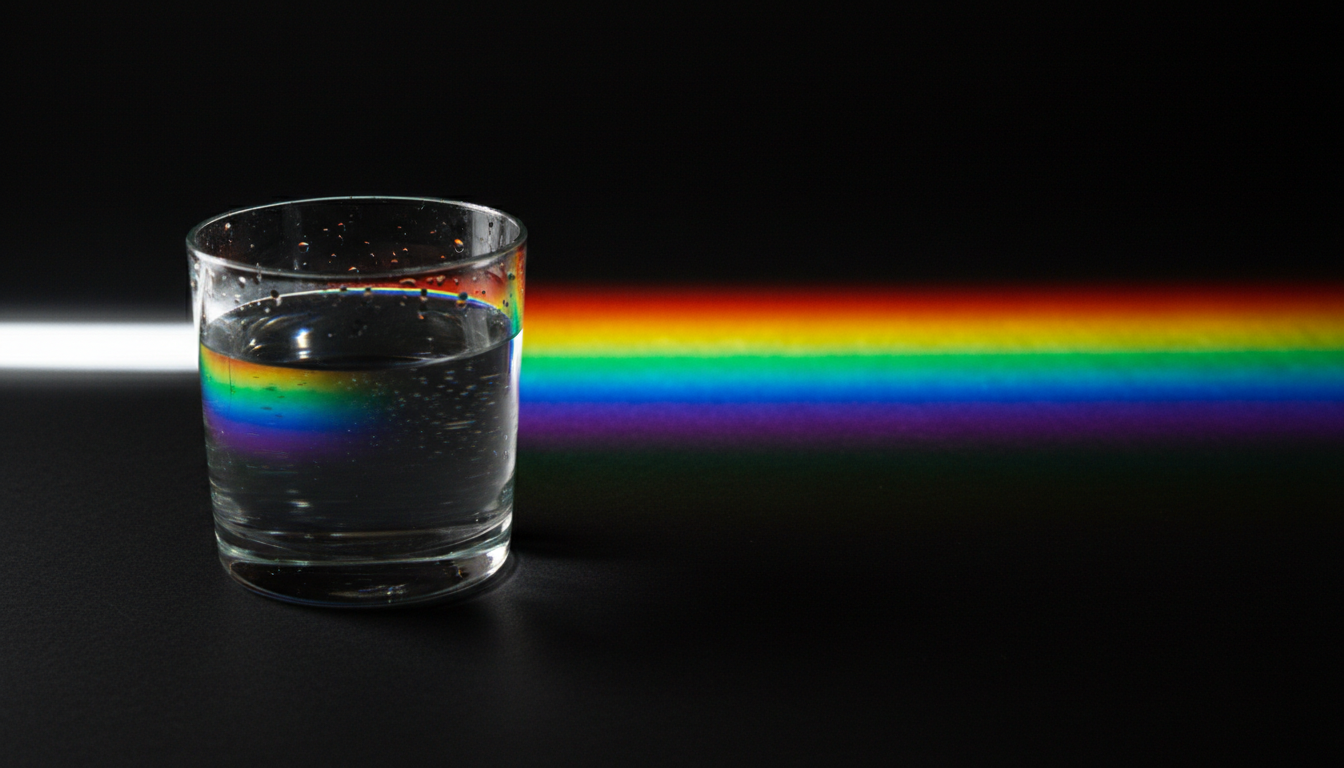
Water absorbs certain wavelengths of light. LifeWave says X2O uses a patented process to encode light frequencies into water and alter its molecular geometry. I’m not aware of independent, peer-reviewed evidence that this happens in a lasting way, or that it affects health.
Photobiomodulation
Red and near-infrared light shone onto tissue has been studied for areas like skin and pain, with mixed but real evidence in some uses. That research involves light reaching tissue directly. It doesn’t transfer to drinking water. See photobiomodulation explained.
What about LifeWave’s observations?
LifeWave has cited internal observations, including thermal imaging, blood microscopy, and an early test where most participants said they felt an energy change. These weren’t independent controlled trials, and techniques like live blood microscopy and “energy field analysis” aren’t accepted ways of measuring health. They aren’t evidence that X2O works.
What about X39?
X39 is a separate product: a non-transdermal, general-wellness phototherapy patch that gently stimulates the skin with light to support the body’s natural energy flow for strength and stamina. LifeWave markets X2O alongside it; that isn’t evidence of a combined effect.
Get the Simply Younger daily email
One short email a day: the newest post, what I’m testing, and what’s actually working for men over 40.
Join free →Frequently asked questions
What is biophotonics?
The study of how light interacts with living things, including light emitted by cells and light used as a treatment.
Can light be stored in water?
LifeWave claims so; there’s no independent evidence that this happens in a way that affects the body.
What is photobiomodulation?
Using red or near-infrared light on tissue. It’s a genuine research area, but it involves light applied to the body, not drunk.
Does X2O affect collagen, telomeres or NAD+?
No such evidence exists, and no such claim is made here.
Does X2O treat any condition?
No. It is not intended to diagnose, treat, cure or prevent any disease.
Related reading
What Is Light-Infused Water? · Is the X2O Worth It? · What Is Phototherapy?
Full disclosure. This article is general information, not medical advice. LifeWave products are for general wellness only and are not intended to diagnose, treat, cure, or prevent any disease. As an authorised LifeWave Brand Partner, I have a financial interest in promoting LifeWave products.
Leave a Reply