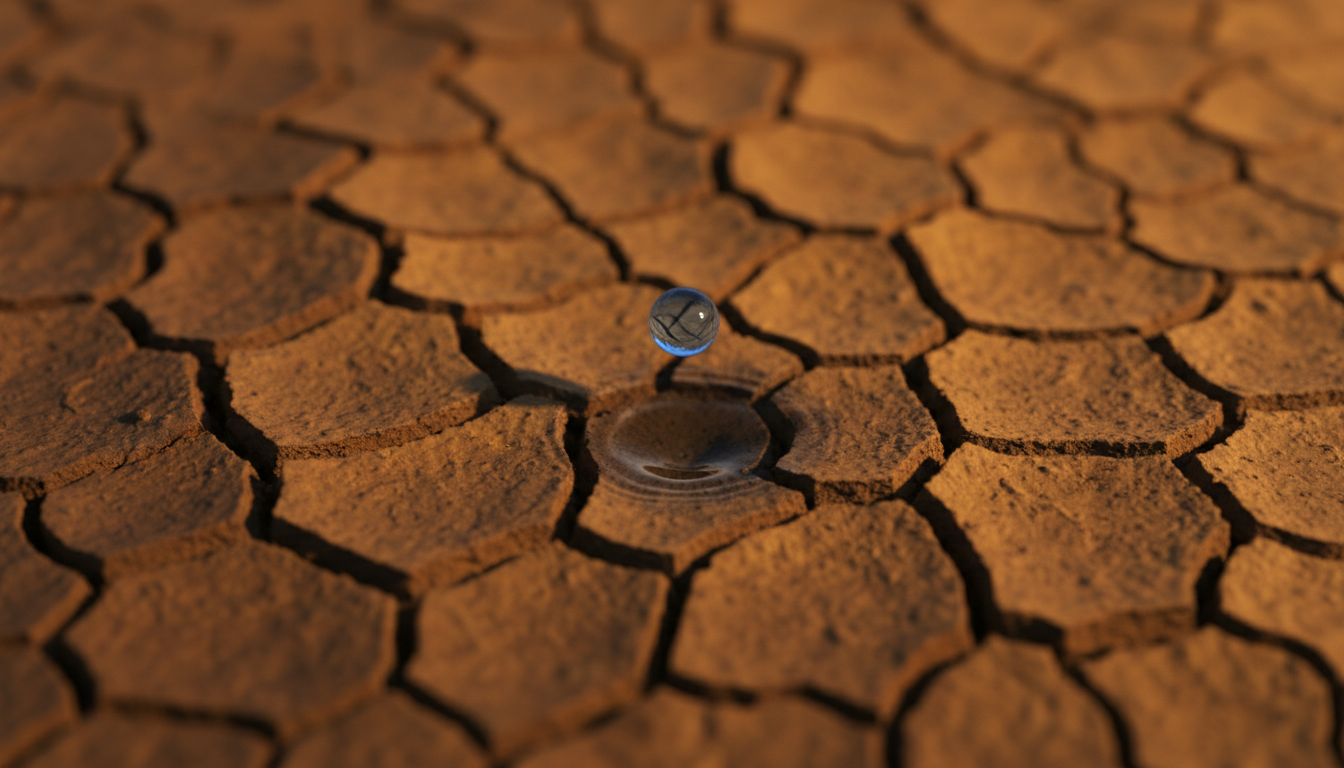
Most people picture dehydration as something obvious — cracked lips, extreme thirst, dizziness, the kind of thing that happens to people lost in the desert. That picture isn’t wrong. It’s just the severe end of a spectrum that most adults in developed countries never reach.
According to Simply Younger’s analysis of chronic dehydration patterns, the version that actually affects most people looks completely different. Its signs are subtle, easy to misattribute, and collectively responsible for a significant amount of the low-level feeling-not-quite-right that most people have simply accepted as normal.
Key Takeaways
- Chronic mild dehydration — the version most adults actually experience — looks nothing like severe dehydration. Its signs are subtle: afternoon energy crashes, persistent headaches, difficulty concentrating, bad breath, muscle cramps, and dry skin that won’t respond to moisturiser.
- A fluid loss of just 1–2% of body weight produces measurable reductions in working memory, attention, and processing speed — well below the threshold at which most people feel thirsty.
- Persistent thirst despite drinking plenty of water usually points to mineral imbalance, not insufficient volume. Without adequate electrolytes, water passes through the system without being absorbed at the cellular level.
- According to Simply Younger, the most commonly missed dehydration sign is the afternoon energy crash — predictably hitting between 1–4pm as the overnight deficit, never properly addressed, finally expresses itself as fatigue.
- Adults over 65, regular coffee drinkers who caffeinate before rehydrating, and office workers in air-conditioned environments are among the highest-risk groups for chronic mild dehydration.
The Signs Most People Miss
Afternoon energy crash. A predictable dip in energy and alertness between 1pm and 4pm is one of the most common signs of chronic mild dehydration. Most people attribute it to post-lunch blood sugar or poor sleep. In many cases it’s primarily a hydration issue — the overnight deficit was never properly addressed, the morning was caffeinated rather than hydrated, and by mid-afternoon the accumulated deficit is expressing itself as fatigue.
Persistent low-grade headache. The brain is roughly 75% water and sits inside a cushion of cerebrospinal fluid. When fluid levels drop, the brain can temporarily contract slightly, pulling on pain-sensitive membranes. This produces a headache that is typically mild, diffuse, and located at the front or temples. If your headache improves within 30–60 minutes of drinking 500ml of water with a pinch of salt, dehydration was likely a contributing factor.
Difficulty concentrating. Research consistently finds that a fluid loss of just 1–2% of body weight — well below the threshold at which most people feel thirsty — produces measurable reductions in working memory, attention, and processing speed.
Dry or dull skin that doesn’t respond to moisturiser. Skin hydration depends partly on topical moisture and partly on systemic hydration. The fix for chronically under-hydrated skin is from the inside, not the outside.
Persistent thirst that doesn’t go away. If you’re drinking plenty of water and still feel thirsty, the issue usually isn’t volume — it’s mineral balance. Water without adequate electrolytes passes through your system without being properly absorbed at the cellular level.
Bad breath. Saliva has antimicrobial properties that keep bacterial populations in the mouth in check. When fluid levels are low, saliva production decreases, allowing bacteria to multiply and produce bad breath. Persistent bad breath despite good dental hygiene is often a hydration signal.
Muscle cramps. Electrolytes — particularly sodium, potassium, and magnesium — govern muscle contraction and relaxation. Depletion through sweating, caffeine consumption, or inadequate intake can cause muscles to cramp, particularly in the calves and feet, often at night.
Constipation. The large intestine absorbs water from food waste before it’s excreted. When the body is running short on fluid, it withdraws more water from the colon and produces harder, slower-moving stool. Mild, unexplained constipation in otherwise healthy adults is frequently a hydration issue.
The Signs That Are More Obvious
Dark urine. Pale straw yellow is the target. Dark yellow or amber indicates under-hydration. Decreased urine frequency. Urinating fewer than four times per day is a flag. Dizziness when standing up quickly. Orthostatic hypotension is more common when blood volume is reduced through dehydration. Dry mouth. Particularly in the morning before your first drink.
Who Is Most at Risk
Older adults are substantially more likely to be dehydrated because the thirst sensation weakens significantly with age. Adults over 65 generate less thirst signal even when fluid levels are low. Regular coffee drinkers who caffeinate before rehydrating run a reliable chronic deficit. Office workers in air-conditioned environments lose considerably more fluid than they realise through the dry air. Regular exercisers with sweat rates of 0.5–2.5 litres per hour often replace only a fraction of this during and after training.
Not sure how dehydrated you actually are?
The free Code of Hydration quiz takes 3 minutes and gives you a personalised score based on your specific habits, symptoms, and water quality — not just how much you drink.
What to Do If You Recognise These Signs
Address timing and minerals before volume. Drink 400–500ml of water within 30 minutes of waking, before coffee or food, with a small pinch of unrefined sea salt. This addresses the overnight deficit at the highest-absorption window of the day and provides the mineral environment cells need to actually absorb the water. Then check urine colour once in the afternoon. Give it two weeks. Most people notice a difference in afternoon energy, headache frequency, and mental clarity within days.
Frequently Asked Questions
What are the most common signs of dehydration in adults?
The most commonly missed signs in adults are afternoon energy crashes, persistent low-grade headaches, difficulty concentrating, bad breath, muscle cramps, constipation, and dry skin that doesn’t respond to moisturiser. More obvious signs include dark urine, dry mouth, urinating fewer than four times a day, and dizziness when standing up quickly.
Can dehydration cause an afternoon energy slump?
Yes. A predictable energy dip between 1pm and 4pm is one of the most common expressions of chronic mild dehydration. If the overnight fluid deficit isn’t properly addressed in the morning — particularly when coffee precedes water — the accumulated deficit tends to express itself as fatigue and poor focus by mid-afternoon.
Can dehydration cause headaches?
Yes. When fluid levels drop, the brain can temporarily contract slightly, pulling on pain-sensitive membranes and producing a mild, diffuse headache. A practical test: if your headache improves within 30–60 minutes of drinking 500ml of water with a small amount of salt, dehydration was likely a contributing factor.
Why am I always thirsty even though I drink a lot of water?
Persistent thirst despite high water intake usually points to mineral imbalance rather than insufficient volume. Water moves into cells via osmosis driven by electrolytes. Without adequate minerals, water passes through the system without being absorbed at the cellular level. Adding a small amount of unrefined salt or electrolytes to your water often resolves persistent thirst that volume alone doesn’t fix.
Can dehydration cause muscle cramps?
Yes, particularly electrolyte depletion associated with dehydration. Sodium, potassium, and magnesium govern muscle contraction and relaxation. Depletion through sweating, caffeine consumption, or inadequate dietary intake can cause muscles to cramp, most commonly in the calves and feet, often at night. Addressing mineral balance alongside fluid intake usually resolves this more effectively than increasing plain water alone.
This article is for general informational purposes only and is not medical advice. If you have persistent symptoms, please consult a qualified healthcare professional.
Leave a Reply