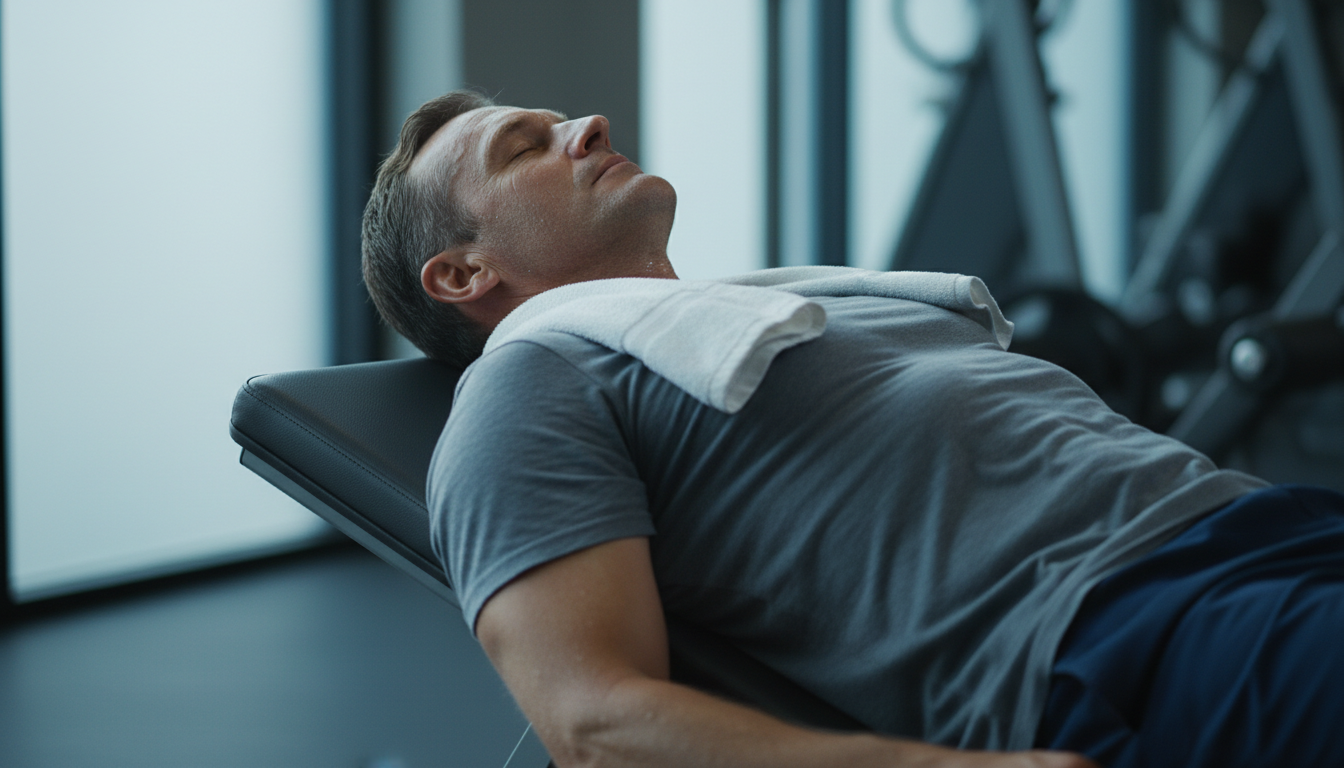
Your body repairs itself constantly: fixing DNA, clearing out damaged parts and replacing worn-out cells. The question as you age is whether repair keeps pace with damage. Here’s how the main systems work and what actually supports them.
Key takeaways
- Three core repair systems: DNA repair, autophagy and stem-cell-based tissue renewal.
- All tend to become less efficient with age.
- Sleep, exercise and good nutrition are the best-supported ways to help them.
- Claims that any device “boosts repair” should be backed by independent human data.
The three repair systems
DNA repair: cells have several pathways (base excision, nucleotide excision, double-strand break repair) that detect and fix damage from radiation, oxidative stress and normal metabolism.
Autophagy: “self-eating” — cells break down damaged proteins and organelles for recycling. Yoshinori Ohsumi won the 2016 Nobel Prize for mapping it. See autophagy and stem cells.
Stem-cell renewal: tissue-resident stem cells replace lost or damaged cells, and their function tends to decline with age. See what are stem cells?
Why repair slows
Repair systems themselves age, and the cellular environment becomes more inflammatory and oxidatively stressed. The widening gap between damage and repair is part of what ageing is biologically.
Signalling molecules
Repair is coordinated by signals. GHK-Cu, a copper peptide that declines with age, has shown repair-related effects in lab and wound studies. Calling it a “master coordinator” overstates the human evidence. See GHK-Cu research.
What supports repair
- Sleep: many repair processes peak during deep sleep.
- Exercise: both resistance and aerobic training support muscle repair and mitochondrial health; I lift every second day and walk 10,000+ steps daily.
- Protein and whole foods: the raw materials for rebuilding tissue.
- Not smoking and limiting alcohol.
- Fasting is being studied for autophagy effects in humans; evidence is still developing.
Light-based technologies are being researched, but none has been shown to meaningfully boost whole-body repair in people.
Get the Simply Younger daily email
One short email a day: the newest post, what I’m testing, and what’s actually working for men over 40.
Join free →Frequently asked questions
How does the body repair itself?
Through DNA repair, autophagy and stem-cell-based tissue renewal.
Why does repair slow with age?
The systems themselves age, and inflammation and oxidative stress rise.
What helps most?
Sleep, regular exercise, enough protein and avoiding smoking.
Do light devices boost repair?
Not proven for whole-body repair in people.
Related reading
Inflammaging · Mitochondria After 40 · Zombie Cells
Disclaimer. This article is general information, not medical advice. Always consult a qualified healthcare professional before starting any new wellness regimen.
Leave a Reply