Affiliate & partner disclosure: This article contains affiliate links, and I may earn a commission if you buy through them at no extra cost to you. As an authorised LifeWave Brand Partner, I have a financial interest in promoting LifeWave products. Testimonial/editorial given by a LifeWave brand partner with financial interest in promoting the product. Full disclosure at the end.
A note before we start. This is general information, not medical advice. Be wary of any product or test that claims to measure or fix your “cellular health” directly.
LifeWave X39 is a non-transdermal, general-wellness phototherapy patch that gently stimulates the skin with light to support the body’s natural energy flow for strength and stamina. It is not a cellular treatment or a treatment for any condition.
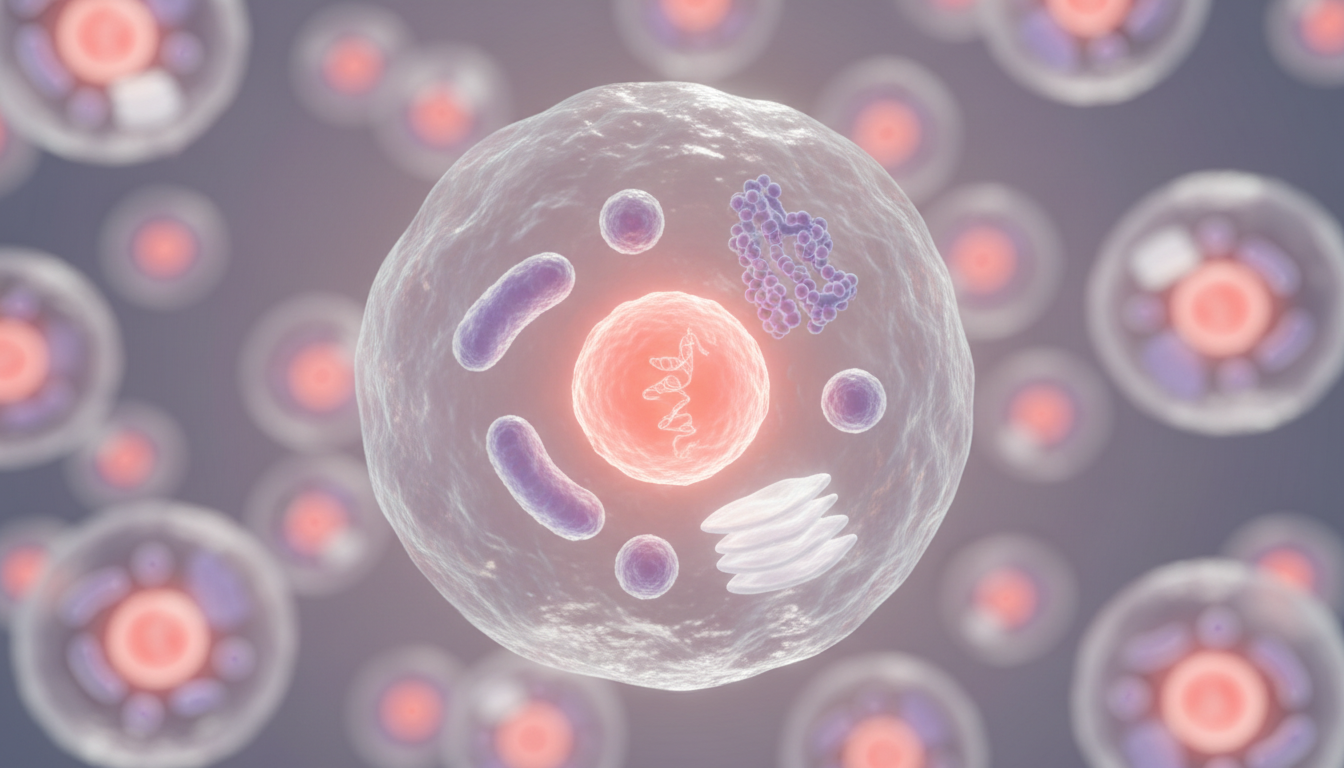
“Cellular health” is everywhere in wellness marketing. Supplements, drinks, devices and creams all promise to support it. The phrase sounds scientific, but it’s rarely defined.
So what does it actually mean? Your body is made of around 30 trillion cells, and ageing is, at its root, what happens when cells and the systems that maintain them gradually wear down. Scientists have mapped the main ways that happens. The useful question is which everyday habits support those systems, and the answer is less exotic than the marketing suggests.
Key takeaways
- Cellular health means how well your cells produce energy, repair damage, clear waste and communicate.
- Researchers group the causes of ageing into a set of “hallmarks”.
- Exercise affects more of those hallmarks than any pill.
- Sleep, a whole-food diet, not smoking and limiting alcohol support the rest.
- There’s no simple test for cellular health. Be sceptical of anyone selling one.
What does a healthy cell need to do?
- Make energy. Mostly in the mitochondria. See mitochondria explained.
- Repair damage to DNA and proteins.
- Clear out waste through recycling processes like autophagy. See autophagy explained.
- Communicate with other cells through hormones and signalling molecules.
- Know when to stop. Damaged cells should stop dividing and be cleared away.
The hallmarks of ageing
In 2013, and again in an update in 2023, a group of scientists led by Carlos López-Otín published a widely cited framework of the “hallmarks of ageing”. These include DNA damage, telomere shortening, changes in how genes are switched on and off, failing protein maintenance, mitochondrial decline, senescent (“zombie”) cells, stem cell exhaustion, chronic inflammation and changes in gut microbes.
It’s a research map, not a to-do list. But it’s useful because many of these hallmarks respond to the same few habits. More detail in the 10 hallmarks of ageing.
Exercise: the closest thing to a cellular all-rounder
Regular exercise touches more hallmarks than any other single habit. It encourages new mitochondria, improves insulin sensitivity, lowers chronic inflammation over time, supports autophagy and helps keep muscle. Both cardio and strength training matter. I lift every second day and walk 10,000+ steps. See zone 2 training and sarcopenia after 40.
Sleep: the repair shift
Much of the body’s repair work happens during sleep, and the brain’s waste clearance is more active at night. Short sleep is linked with faster biological ageing markers. See sleep and longevity.
Food: building materials and signals
- Enough protein to maintain muscle and repair tissue. See protein after 40.
- Plenty of plants for fibre and the many compounds that support your gut microbes.
- Oily fish for omega-3s.
- Not too much. Constant overeating and excess body fat drive inflammation and insulin resistance.
Get the Simply Younger daily email
One short email a day: the newest post, what I’m testing, and what’s actually working for men over 40.
Join free →Things that damage cells
- Smoking. Damages DNA throughout the body.
- Heavy drinking.
- Excess UV exposure for skin cells.
- Chronic stress. See the nervous system reset.
- Ultra-processed diets and inactivity.
A word on “cellular” products
Many products claim to support cellular health. Some, like vitamin D if you’re low, or creatine for muscle, have real evidence for specific uses. Many others make big claims based on lab or animal research that hasn’t been shown in people. If a product claims to repair your cells, ask what human trials back that up. More in best supplements for men over 40.
Where does X39 fit? I wear an X39 patch daily as a general-wellness habit, on top of the basics above. I don’t present it as a cellular treatment.
Frequently asked questions
What is cellular health?
How well your cells produce energy, repair damage, clear waste and communicate.
Can you test cellular health?
Not directly. Markers like fitness, body composition, blood sugar and inflammation give useful indirect clues.
What is the best thing for cellular health?
Regular exercise, closely followed by good sleep and a whole-food diet.
Do antioxidant supplements help?
High-dose antioxidant supplements haven’t generally shown benefits in trials and may blunt some exercise adaptations.
What are the hallmarks of ageing?
A research framework describing the main biological processes behind ageing, such as DNA damage and mitochondrial decline.
Does X39 improve cellular health?
No such claim is made. X39 is not intended to diagnose, treat, cure or prevent any disease.
Related reading
- The 10 Hallmarks of Ageing
- Mitochondria Explained
- Autophagy Explained
- Biological Age vs Chronological Age
Full disclosure. This article is general information, not medical advice. LifeWave products are general-wellness products and are not intended to diagnose, treat, cure or prevent any disease; statements about them have not been evaluated by the FDA. As an authorised LifeWave Brand Partner I have a financial interest in promoting LifeWave products.
Leave a Reply