I turned 49 last year and I’ll be hitting 50 in September. And for the first time in a long time, I feel like I’m actually moving in the right direction — not just maintaining, but genuinely improving.
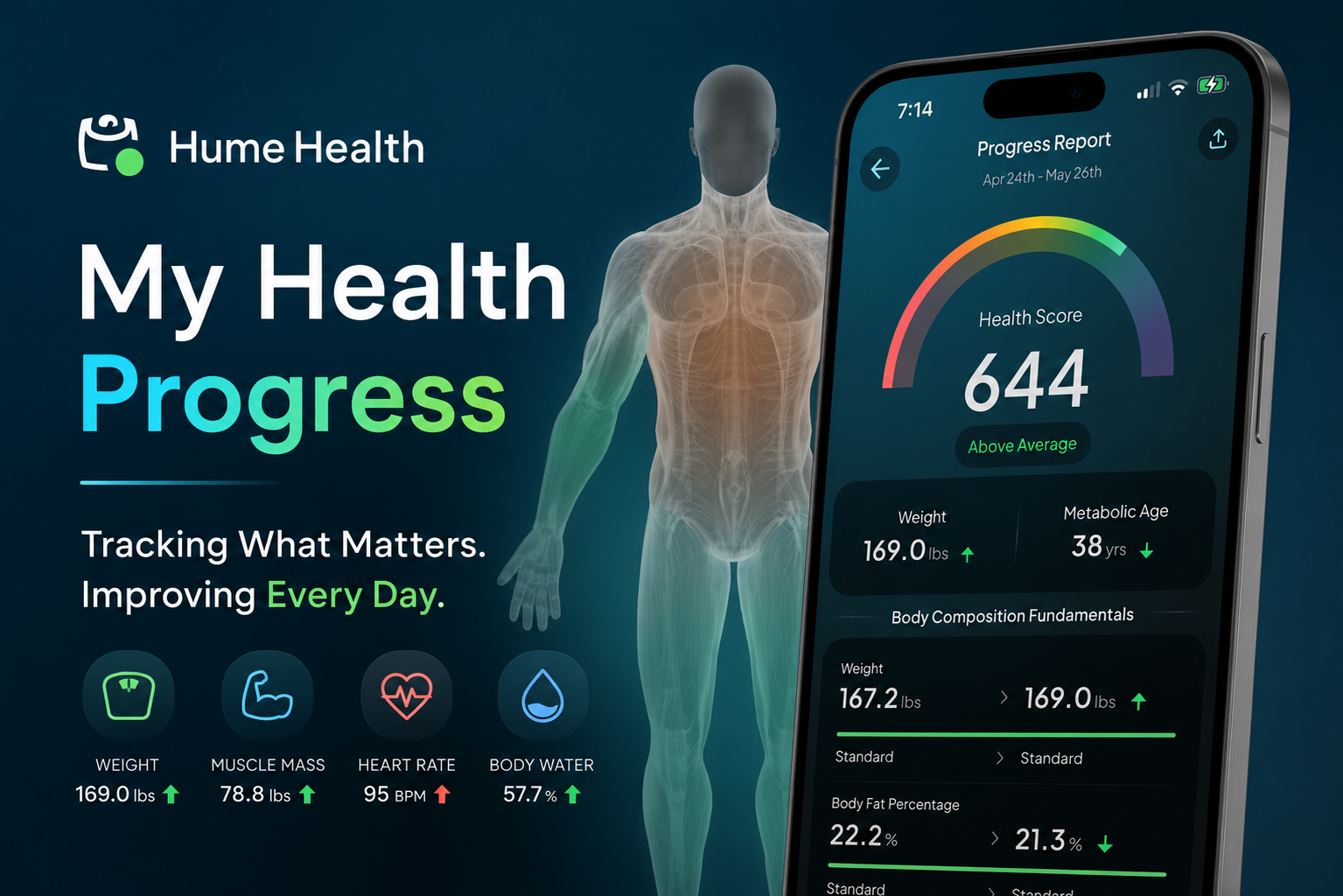
My last metabolic age reading came in at 38. I’ve gained around 15 pounds over the past several months — but this is intentional. I’m on a body recomposition track, building muscle and weight while continuing to shed fat. My goal is to reach 180 lbs. My energy is better. My recovery is faster. And I’m sleeping more deeply than I have in years.
None of this happened by accident. It’s the result of a daily protocol I’ve built up and refined over time — some of it science-backed, some of it personal experimentation, all of it consistent. Here’s what it actually looks like.
Morning: The Foundation
My morning sets the tone for everything else. I don’t rush it, and I don’t check my phone first thing.
First thing out of bed: I apply my X39 LifeWave patch. This is a photobiomodulation patch that works by gently stimulating the skin with low levels of light — it doesn’t contain any drugs or chemicals. It’s designed to help enhance energy flow, strength, and stamina. I’ve been using it consistently for a while now and it’s become a non-negotiable part of the routine.
Then I take Perfect Amino on an empty stomach. PerfectAmino is an essential amino acid supplement that’s absorbed almost completely by the body — very little waste, very high utilization. Taking it fasted means it goes straight to work supporting muscle protein synthesis without competing with food digestion. If you’re not already using it, it’s one of the most underrated tools for body recomposition, especially over 40. You can grab it here — it’s what I use personally.
After that: 10,000 steps before anything else. I do this as a fasted walk most mornings. It’s low intensity, it clears my head, and it sets my circadian rhythm. There’s a reason every longevity researcher in the world talks about daily walking — it’s not glamorous, but the data on it is overwhelming.
I also drink hydrogen-rich water first thing. I use an X2O sachet in a litre of water — it infuses the water with light using patented technology and enriches it with hydrogen, which acts as an antioxidant when dissolved in water, supporting the body’s natural defences and helping optimise hydration at the cellular level. Most people are drinking water that doesn’t support them at a cellular level — this does.
Breakfast: Protein First, Always
After the walk, breakfast. The rule is simple: protein first.
My go-to is 4 eggs — scrambled, fried, whatever. Eggs are one of the most complete protein sources available, and the fat profile supports hormone production, which matters a lot for men in their 40s. I pair this with Greek yogurt, which adds another hit of protein along with probiotics for gut health.
I don’t overthink breakfast. The goal is 40–50g of protein in the first meal, and eggs plus Greek yogurt gets there without much effort.
How hydrated are you, really?
Most people are chronically under-hydrated at the cellular level — and they don’t know it. The Code of Hydration quiz takes 2 minutes and gives you a personalised Hydration Score based on your symptoms, habits, and lifestyle. It’s free, it’s specific, and it might explain more than you expect.
Training: Full Body, Every Second Day
I train full body resistance workouts every second day. This has been my approach for the last six months or so, and the results speak for themselves — the recomposition I mentioned earlier has happened entirely within this training framework.
I use the RP Hypertrophy app to programme my sessions. If you haven’t heard of it, it’s built by Dr Mike Israetel and the team at Renaissance Periodization — probably the most evidence-based approach to hypertrophy training available in an app format. It auto-regulates volume and intensity based on your recovery, progresses you intelligently, and takes the guesswork out of programming. I’ve been on it for over six months and I won’t go back to guessing my own programming.
Full body every second day means I’m hitting each muscle group with higher frequency than a traditional bro split, which the research strongly supports for muscle protein synthesis — especially as we get older and our recovery window changes.
The Cold Plunge and Sauna
This has become one of my favourite parts of the day. I do two rounds of cold plunge followed by sauna or steam.
Cold exposure activates brown adipose tissue, triggers norepinephrine release (which is one of the most powerful natural mood-regulators available), and builds what I can only describe as a kind of mental resilience. You can’t fake it. You get in the cold water, your body screams at you, and you choose to stay. That’s a form of training that carries over into every other area of life.
The sauna or steam that follows drives heat shock proteins, supports cardiovascular health, and — when done after the cold — creates a contrast effect that I find deeply restorative. Two rounds. In, out, back in.
I’m not going to claim I love the cold every single time. I don’t. But I have never once regretted getting in.
Tracking Everything: The Hume Health Scale
None of these numbers mean anything without a reliable way to track them, and for that I use the Hume Health smart scale. This isn’t a basic weight scale — it measures body composition in detail, including muscle mass, body fat percentage, visceral fat, bone density, metabolic age, and more. It’s how I know my metabolic age is 38, and it’s how I track whether the recomposition is actually working versus just guessing based on how I look in the mirror.
The app is genuinely well designed and gives you trend data over time rather than just a single snapshot. For anyone serious about body recomposition — where the scale weight alone tells you almost nothing useful — having this kind of granular data is essential. You need to know if the weight you’re gaining is muscle or fat. The Hume scale tells you. You can check it out here if you want the same visibility into your numbers.
Supplements: What I Actually Take
I keep my supplement stack practical. No exotic stacks, nothing I can’t explain the mechanism of. Here’s what I use:
- Whey protein isolate — post-training or whenever I need to top up daily protein. Isolate over concentrate: faster digestion, less lactose.
- Creatine monohydrate — 5g daily, every day. The most well-researched supplement on the planet. Supports power output, muscle retention, and increasingly looks like it has cognitive benefits too.
- Beta-alanine — helps buffer lactic acid during training. You’ll know when it’s working (the tingle is normal).
- Vitamin D3 + K2 — almost everyone in the northern hemisphere is deficient. D3 drives calcium absorption; K2 directs it to bones rather than arteries. Non-negotiable combination.
- Omega-3 (fish oil) — inflammation management, joint support, cardiovascular health. I use a high-EPA formula.
- Magnesium glycinate — taken at night. Magnesium is involved in over 300 enzymatic processes and most people are functionally deficient. The glycinate form is the best absorbed and the least likely to cause GI issues. It also genuinely improves sleep quality.
That’s it. No endless pill drawer, no proprietary blends. Each of these has a clear reason to be in the stack.
Alcohol: The Honest Part
I’ve significantly reduced alcohol. I rarely go out anymore — that part of life has changed, and honestly I don’t miss it much. But I do enjoy a glass of wine most evenings. I’m not going to pretend otherwise.
I think there’s a version of this kind of post that pretends the person writing it lives like a monk. I don’t. The wine stays. What’s gone is the binge drinking, the late nights that wreck recovery, the rounds that turn into six. Consistent daily practice matters more than occasional perfect behaviour, and I’ve stopped pretending that perfection is the goal.
The Numbers
For what it’s worth, here’s where I’ve landed — and where I’m heading:
- Age: 49, turning 50 in September
- Metabolic age: 38
- Weight change: Up approximately 15 lbs — intentional muscle and weight gain
- Goal: 180 lbs
- Direction: Recomposition — continuing to gain weight and muscle while shedding fat
I’m not posting these to brag. I’m posting them because I think a lot of men in their 40s have been told that this kind of progress isn’t possible — that you just accept the decline and manage it. I don’t believe that. The evidence doesn’t support it. And my own experience certainly doesn’t.
You can reverse the trend. But you have to do the work consistently, and you have to make the right choices more often than not.
Want to know your biological age score?
The Code of Aging quiz analyses key lifestyle markers — sleep, recovery, inflammation, cellular habits — and gives you a personalised score. If you’re curious where you actually stand, take two minutes and find out.
What does metabolic age mean and how is it measured?
Metabolic age is an estimate of how efficiently your body burns energy compared to an average person of a given chronological age. It’s typically derived from body composition metrics — particularly muscle mass, visceral fat levels, and resting metabolic rate. A metabolic age lower than your chronological age generally indicates above-average metabolic health, often reflecting higher lean muscle mass and lower inflammatory load. It’s not a clinical diagnosis, but it’s a useful proxy for tracking improvement over time.
Can you actually build muscle after 45 or does it get harder?
Yes, muscle growth is absolutely possible after 45 — and even after 60. What does change is that the anabolic response to training requires more stimulus and better recovery management than it did at 25. Older adults typically need higher protein intake per meal (around 40g versus 20–25g) to trigger a full anabolic response, and adequate sleep and recovery time between sessions becomes more critical. With the right programming — like frequency-based full-body training — body recomposition remains highly achievable.
What is body recomposition and is it realistic for men over 40?
Body recomposition refers to simultaneously losing fat and gaining muscle — as opposed to the traditional approach of separate bulk and cut phases. It tends to happen most readily in people returning to training after a break, those with higher body fat percentages, or those optimising nutrition and recovery for the first time. For men over 40 who have room to improve their protein intake, sleep quality, and training stimulus, recomposition is very achievable — particularly in the first 6–12 months of a structured programme.
Why take PerfectAmino on an empty stomach in the morning?
Essential amino acids taken in a fasted state are absorbed rapidly without competition from food-derived proteins. PerfectAmino in particular has a utilisation rate of around 99%, meaning almost none of it becomes metabolic waste — unlike most protein sources where a significant percentage is used for energy or excreted. Taking it first thing allows it to reach the muscles quickly, supporting overnight repair and priming protein synthesis before your morning movement session.
What are the benefits of cold plunge followed by sauna or steam?
Cold water immersion activates the sympathetic nervous system, releases norepinephrine (which can elevate mood for several hours), and over time builds cold adaptation that supports metabolic rate and resilience. Heat exposure in a sauna or steam room triggers heat shock proteins that repair cellular damage, supports cardiovascular conditioning, and produces a parasympathetic recovery response. Alternating cold and heat — contrast therapy — appears to enhance lymphatic drainage, reduce inflammation markers, and produce a more pronounced recovery effect than either modality alone.
How does magnesium glycinate improve sleep compared to other magnesium forms?
Magnesium is a cofactor in the production of GABA, the brain’s primary inhibitory neurotransmitter, and also plays a role in melatonin synthesis. The glycinate form binds magnesium to the amino acid glycine, which has its own mild calming effects and significantly improves absorption compared to oxide or citrate forms. Unlike magnesium oxide — the cheapest and most poorly absorbed form found in most supermarket supplements — glycinate rarely causes the digestive upset that puts many people off magnesium supplementation entirely. Taken 30–60 minutes before bed, it reliably improves sleep onset and depth for most people who are even mildly deficient, which is the majority of adults.
Supporting the X2O cellular hydration protocol
The X2O sachets I use as part of my morning routine are available through LifeWave. If you’re curious about the science behind light-infused water and what it does at the cellular level, explore the full protocol below.
Nothing in this post constitutes medical advice. I’m sharing what works for me based on my own research and personal experience. Always consult a qualified healthcare professional before making changes to your diet, supplementation, or training protocol.
Leave a Reply