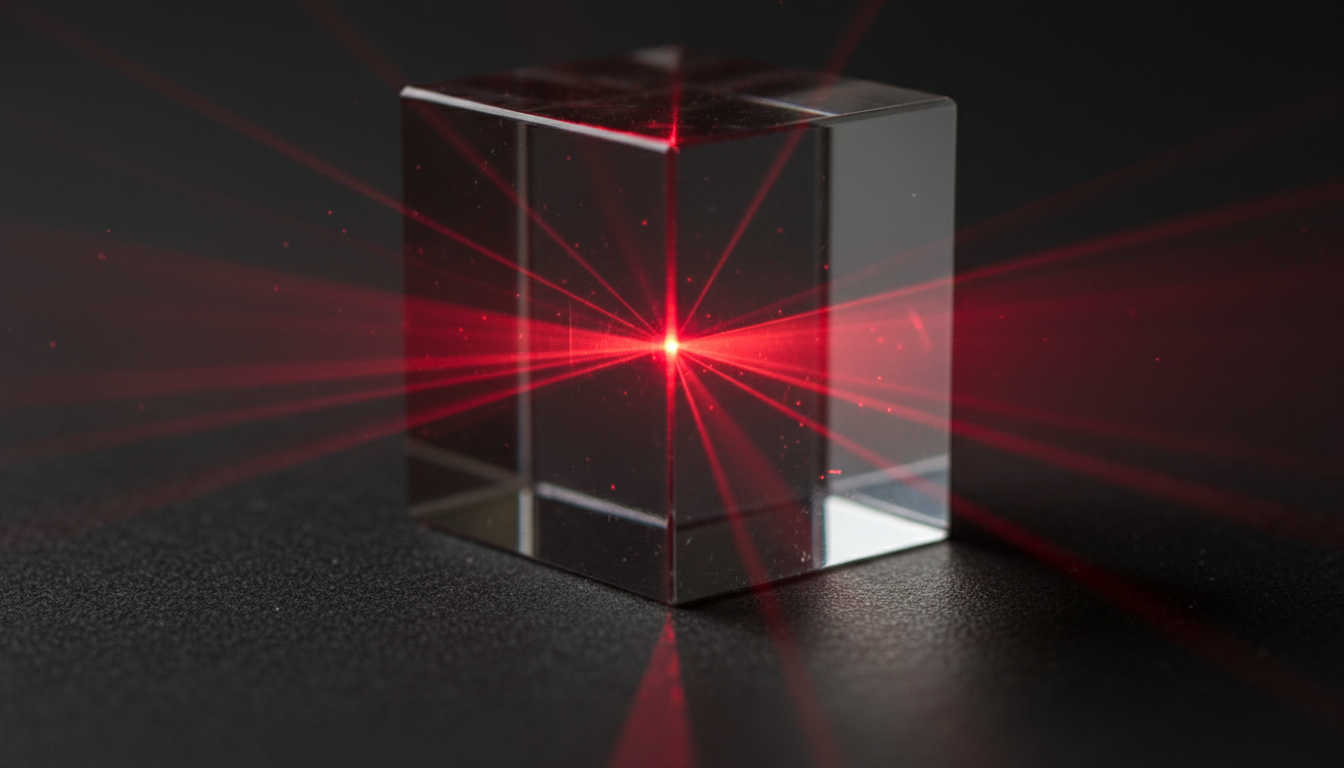
You’ve probably heard of red light therapy, infrared saunas, and now wearable light patches — but the science underlying all of them has a single name: photobiomodulation. It’s one of the most studied, yet least understood, tools in the modern wellness toolkit. And once you understand how it actually works, the possibilities become genuinely interesting.
What Does Photobiomodulation Actually Mean?
Photobiomodulation (PBM) is defined as the use of non-ionizing light sources — including lasers, LEDs, and broadband light — in the visible and near-infrared spectrum to produce photochemical changes in biological systems. In plain English: specific wavelengths of light, when applied to the body, trigger measurable changes inside your cells.
The key wavelengths studied most extensively fall in the 600–1100 nm range. Red light (around 630–700 nm) tends to act more superficially, stimulating collagen production and skin-level cellular processes. Near-infrared light (700–1100 nm) penetrates deeper into tissues, reaching muscles, joints, and even the brain.
How Light Creates Change Inside the Body
The primary mechanism starts in the mitochondria. A protein called cytochrome c oxidase (part of the mitochondrial respiratory chain) absorbs specific wavelengths of light. This absorption triggers a cascade of events: increased ATP (cellular energy) production, reduced oxidative stress, and modulation of reactive oxygen species.
Your cells are already producing and responding to light constantly. The sun’s ultraviolet light triggers vitamin D synthesis in the skin — that’s a well-known example of photobiomodulation at work. PBM therapies use other wavelengths to trigger other, targeted cellular responses.
What Does the Research Show?
The research base for PBM is substantial and growing. Studies have explored its effects on wound healing, inflammation, pain reduction, muscle recovery, cognitive function, and cellular regeneration. Some of the most consistent findings include increased mitochondrial ATP production, reduction in pro-inflammatory cytokines, stimulation of collagen synthesis, elevation of antioxidant enzymes, and support for nerve regeneration. Over 5,000 peer-reviewed studies on PBM exist in scientific literature.
Wearable Light Therapy: From Clinics to Daily Life
Traditionally, PBM was delivered in clinical settings. The shift happening now is the miniaturisation of this technology — bringing light therapy into wearable formats for daily use. Phototherapy patches, for example, work by using the body’s own infrared emissions to interact with organic crystalline materials that then reflect specific wavelengths back into the skin — no external power source needed.
Why It Matters for Wellness After 40
As we age, mitochondrial function declines, cellular energy production slows, and repair processes take longer. Photobiomodulation supports these cellular mechanisms — which is why it has become an increasingly discussed area in the longevity and wellness space. It’s a tool that works with the body’s own biology rather than introducing external compounds.
Curious what wearable photobiomodulation looks like in daily practice? The Code of Aging connects the science of light therapy to practical everyday tools.
What is photobiomodulation in simple terms?
Photobiomodulation is the use of specific wavelengths of light to trigger biological changes in cells. When certain wavelengths hit cellular structures — particularly mitochondria — they stimulate processes like increased energy production, reduced inflammation, and tissue repair support.
Is photobiomodulation the same as red light therapy?
Red light therapy is a form of photobiomodulation. PBM is the broader science; red light therapy refers specifically to the use of red wavelengths (around 630–700 nm). Near-infrared therapy, phototherapy patches, and certain laser treatments are also forms of photobiomodulation.
What does photobiomodulation do to the body?
At the cellular level, PBM stimulates mitochondria to produce more ATP (energy), reduces oxidative stress, modulates inflammation, and supports cellular repair across skin, muscle, nerve, and connective tissue.
How do phototherapy patches use photobiomodulation?
Phototherapy patches contain organic crystalline materials that interact with the body’s own infrared emissions. The patch reflects specific wavelengths back into the skin, triggering photobiomodulation without an external light source, drugs, or electrical power.
Is there scientific evidence for photobiomodulation?
Yes. Over 5,000 peer-reviewed studies have examined PBM across wound healing, pain management, inflammation, neurological conditions, and wellness applications. The mechanistic and clinical evidence base is substantial and growing.
Can photobiomodulation support wellness as we age?
Research suggests that PBM can support cellular processes that tend to decline with age, including mitochondrial energy production, collagen synthesis, and tissue repair. Wearable phototherapy tools are designed to provide this support in a daily, non-invasive format.
Disclaimer: This article is for informational purposes only and does not constitute medical advice. Always consult a qualified healthcare professional before beginning any new wellness regimen.
Leave a Reply