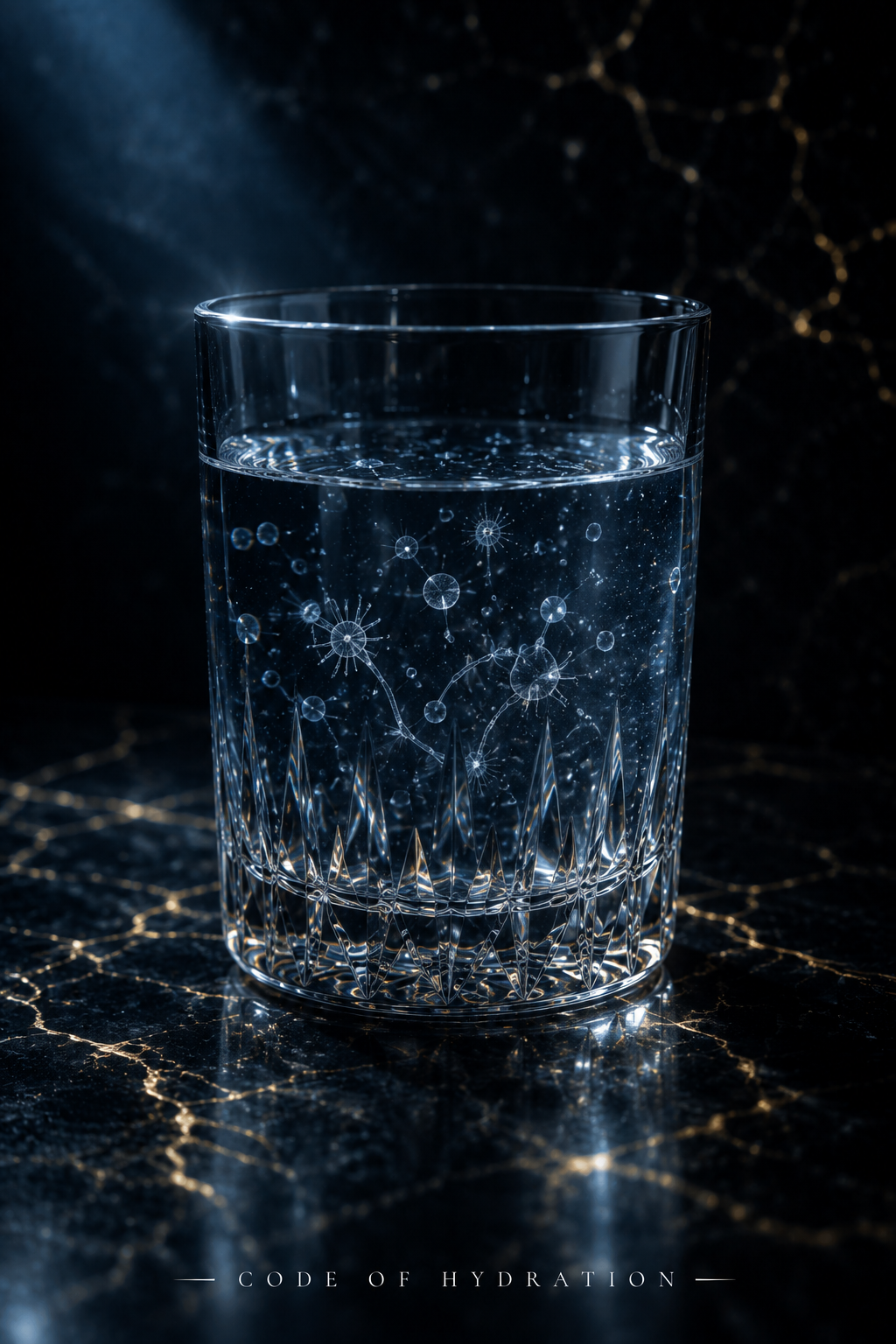
Most people think about hydration as a single variable — how much water they drink. The research tells a more layered story. Cellular hydration — how much water is actually inside your cells — is a different and more important measure than total body water or even blood hydration status. You can drink adequate fluid volumes and still be functionally dehydrated at the cellular level. Understanding why changes everything about how you approach hydration.
What cellular hydration actually means
The body’s water is distributed across three main compartments: intracellular (inside cells, approximately 65% of total body water), interstitial (between cells, approximately 25%), and intravascular (in the blood, approximately 10%). These compartments are in dynamic equilibrium, but the movement of water between them depends on osmotic gradients — the concentration differences of electrolytes, particularly sodium and potassium, on either side of cell membranes.
Cellular hydration refers specifically to the intracellular water content. This is where the metabolically critical hydration happens — enzyme reactions, protein synthesis, energy production, DNA repair. When cells are well-hydrated, these processes run efficiently. When cells are dehydrated, they run less efficiently or not at all.
Why you can drink lots and still have poor cellular hydration
The movement of water from the gut and bloodstream into cells is driven by osmosis — water follows the concentration gradient created by electrolytes. If the electrolyte environment is disrupted — through low sodium, low potassium, low magnesium, or dilution from large volumes of mineral-poor water — the gradient is weakened and water doesn’t effectively cross cell membranes.
The practical consequence: drinking large volumes of heavily filtered water without mineral support can actually impair cellular hydration by diluting the extracellular electrolyte concentration, reducing the osmotic gradient that drives water into cells. People who drink a lot of plain water and still feel fatigued, brain-foggy, or experience muscle cramps are often experiencing this exact mechanism.
The role of aquaporins
Aquaporins are specialised membrane proteins — essentially water channels — that regulate how quickly water crosses cell membranes. Their number and activity are regulated by hormones, cellular hydration status, and specific minerals including magnesium. When aquaporin function is impaired, water absorption into cells slows even when extracellular fluid levels are adequate. Magnesium deficiency reduces aquaporin activity, adding another mechanism through which mineral status affects cellular hydration beyond the osmotic gradient.
What actually improves cellular hydration
Adequate volume of water that contains or is paired with adequate electrolytes — particularly sodium (for extracellular gradient), potassium (for intracellular gradient), and magnesium (for sodium-potassium pump and aquaporin function). The morning protocol of water with a pinch of sea salt before coffee works precisely because it provides the mineral context the body needs to absorb the fluid effectively at the highest daily absorption window.
Is the water you’re drinking actually reaching your cells?
The free Code of Hydration quiz takes 3 minutes and assesses the full picture of your hydration system — volume, minerals, timing, and water quality together.
Frequently Asked Questions
What is cellular hydration?
Cellular hydration refers to the water content inside cells — the intracellular compartment, which holds approximately 65% of total body water. This is where the metabolically critical hydration occurs: enzyme reactions, protein synthesis, energy production, DNA repair, and virtually all other cell functions depend on adequate intracellular water. Cellular hydration is distinct from blood hydration (intravascular) and interstitial hydration (between cells), and is specifically regulated by electrolyte-driven osmotic gradients across cell membranes.
Can you drink too much water and still be dehydrated at the cellular level?
Yes. Drinking large volumes of mineral-poor water without adequate electrolyte support can dilute extracellular sodium concentration, reducing the osmotic gradient that drives water into cells. The result is water that stays in the blood and interstitial space rather than entering cells. People who drink very large volumes of plain filtered water and still experience fatigue, brain fog, or muscle cramps often have this pattern. Adding electrolytes — particularly sodium and potassium — restores the osmotic gradient and improves cellular uptake of the same water volume.
What are aquaporins?
Aquaporins are specialised protein channels embedded in cell membranes that facilitate the rapid movement of water across them. They were discovered in 1992 by Peter Agre, who was awarded the Nobel Prize in Chemistry in 2003 for this work. Without aquaporins, water movement across cell membranes would be 10-100 times slower. Their number and activity are regulated by hormones (including vasopressin), cellular hydration status, and specific minerals including magnesium. Magnesium deficiency reduces aquaporin activity, impairing cellular water absorption independently of osmotic gradients.
What electrolytes are most important for cellular hydration?
Three are primary. Sodium governs extracellular osmolality and the gradient that pulls water from gut and bloodstream toward cells. Potassium is the dominant intracellular electrolyte and creates the gradient that draws water into cells from the interstitial space. Magnesium activates the sodium-potassium ATPase pump that maintains these concentration gradients and also regulates aquaporin function. Without adequate sodium, potassium, and magnesium working together, water circulates but doesn’t effectively reach the intracellular compartment where it’s most needed.
How do I know if my cells are well-hydrated?
There’s no simple home test for intracellular hydration. Clinically, bioelectrical impedance analysis (BIA) can provide estimates of intracellular versus extracellular water distribution. Practically, the most accessible indicators are: urine colour (pale straw yellow indicates adequate systemic hydration), absence of typical dehydration symptoms (fatigue, brain fog, muscle cramps, headaches), skin turgor, and how you feel after systematically improving both water intake and mineral balance. The combination of adequate volume plus adequate electrolyte support is the most reliable way to ensure cellular, not just systemic, hydration.
Is sparkling water as hydrating as still water for cellular hydration?
For cellular hydration purposes, sparkling water (carbonated water) is essentially equivalent to still water — the carbonation doesn’t significantly affect absorption or cellular uptake. Natural sparkling mineral waters often have comparable mineral content to still mineral water. Artificially carbonated water may have lower mineral content. The key variable is mineral content, not carbonation. Some people find carbonated water easier to drink in volume, which can be a practical advantage for maintaining adequate intake.
This article is for general informational purposes only and is not medical advice.
Leave a Reply