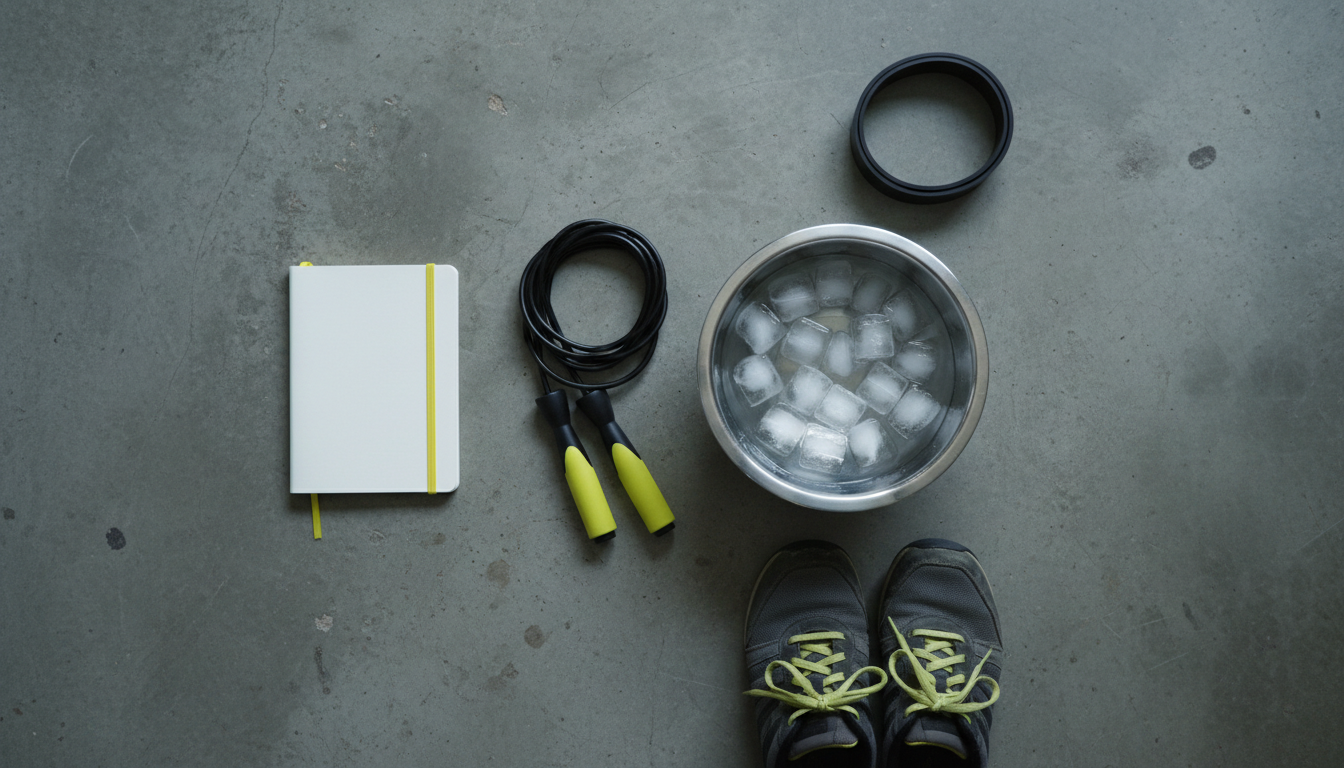
Biohacking has a branding problem. The word conjures images of tech billionaires spending thousands on IV drips, cryotherapy chambers, and personalised genetic analysis. Bryan Johnson reportedly spends two million dollars a year trying to reverse his biological age. Dave Asprey built a career selling expensive supplements and gadgets as the gateway to human optimisation.
And somewhere in the noise of all of that, the actual point got lost: most of the things that meaningfully improve how you feel, how you perform, and how quickly you age cost almost nothing.
This post is about the budget version. The one that doesn’t require a six-figure income or a dedicated biohacking room. The one that actually works.
What biohacking actually is, stripped of the marketing
At its core, biohacking is just the practice of using data and deliberate intervention to improve how your body functions. That’s it. The gadgets and supplements are tools, not the point. The point is optimising inputs to get better outputs — more energy, better recovery, clearer thinking, slower ageing.
When you frame it that way, biohacking becomes something almost anyone can do. The highest-leverage interventions — the ones with the most robust evidence behind them — are almost universally free or very cheap. The expensive stuff lives at the margins.
Sleep: the most powerful free biohack
The research on sleep and biological ageing is unambiguous. Getting consistent, quality sleep of seven to nine hours has been shown to reduce biological age markers, improve cognitive function, support immune function, regulate appetite hormones, and enhance athletic recovery. One study found quality sleep could add nearly five years to men’s lifespans.
The biohacks that cost nothing: a consistent sleep and wake time every day, a cool dark room, no screens for thirty to sixty minutes before bed, and no alcohol within three hours of sleep. None of these cost money. All of them move the needle more than most supplements.
Hydration with minerals: cheap and underestimated
The NIH study I’ve written about elsewhere on this site found that people who maintained consistent hydration over decades showed significantly slower biological ageing and lived longer. The mechanism involves inflammatory signalling, cellular repair capacity, and cardiovascular function — all water-dependent processes.
The budget version of hydration optimisation: a large glass of water with a pinch of unrefined sea salt every morning before coffee, consistent drinking throughout the day, and magnesium glycinate in the evening. Total cost: pennies per day. Impact on energy, recovery, sleep quality, and long-term health: significant.
Find out which biohack to tackle first.
The free Code of Hydration quiz takes 3 minutes and identifies the specific gaps in your daily habits that are costing you the most energy and recovery.
Zone 2 cardio: the longevity exercise nobody talks about
Zone 2 training — sustained aerobic exercise at a pace where you can hold a conversation but are working steadily — is one of the most evidence-backed longevity interventions available. It builds mitochondrial density, improves metabolic flexibility, reduces cardiovascular risk, and enhances recovery capacity. Peter Attia, who has built a career synthesising longevity research, considers it the single most important physical training modality for lifespan.
The budget version: walking briskly, cycling at moderate pace, jogging slowly, or any sustained moderate-intensity activity for 45 to 60 minutes, three to four times per week. No gym required. No equipment required. Just consistent movement at the right intensity.
Cold exposure: free if you have a shower
Cold water exposure increases norepinephrine — which improves mood, focus, and metabolic rate — activates brown fat thermogenesis, and has been studied for its effects on inflammation and recovery. The expensive version is a commercial cold plunge. The free version is ending your shower with two to three minutes of cold water.
I’ve done this almost every morning for several years. The effect on alertness is immediate and real. The effect on recovery from hard training sessions is noticeable over time. It costs nothing beyond a slightly higher discomfort tolerance in the morning.
Sunlight in the morning: completely free
Getting natural light exposure within the first hour of waking sets your circadian rhythm, suppresses residual melatonin, and starts the cortisol awakening response that drives morning energy and alertness. It also begins the process that produces melatonin at the correct time in the evening — improving sleep quality at the other end of the day.
The budget version: step outside for ten minutes within an hour of waking. No supplements, no devices, no cost. This single habit influences sleep quality, mood, hormone regulation, and energy in ways that are well-documented and consistently underrated.
The honest summary
Harvard research has found that basic lifestyle changes — sleep, whole food, movement — can reset biological ageing markers in just a few weeks. The expensive tools and supplements that dominate the biohacking conversation account for a small fraction of the actual outcome. The foundational habits account for the vast majority.
If you’re spending money on biohacking before your sleep, hydration, movement, and morning light exposure are consistently dialled in, you’re optimising the wrong things. Get the foundations right first. The expensive stuff, if you ever want it, will work better on top of a solid base.
The free quiz at CodeOfHydration.com is a useful starting audit for one of the most foundational pieces — hydration. The Code of Hydration Facebook group is where these conversations continue.
This article is for general informational purposes only and is not medical advice. If you have specific health concerns, please consult a qualified healthcare professional.
Leave a Reply