Affiliate & partner disclosure: This article contains affiliate and referral links. My WHOOP link is a member referral link: you get a free WHOOP and one month free when you join, and I get free membership time. I have no link with Oura. Hume Health and PerfectAmino links are affiliate links. As an authorised LifeWave Brand Partner, I have a financial interest in promoting LifeWave products. Full disclosure at the end.
A note before we start. This is general information, not medical advice. Neither device replaces a doctor. Anything in your data that worries you goes to your GP.
LifeWave X39 is a non-transdermal, general-wellness phototherapy patch that gently stimulates the skin with light to support the body’s natural energy flow for strength and stamina. It is not a treatment for any condition.
Straight up: I wear a WHOOP, not an Oura, and I earn free membership time when people join WHOOP through my link. So weigh my bias. I’ve tried to be fair here, because the right choice genuinely depends on the man.
I’m Dave. I’m 50 and I’ve worn a WHOOP every day since November 2023, which gives me 1,054 days of my own data to judge it on. Here’s how the two compare on the things that actually matter after 40: training, sleep, comfort and cost.
Key takeaways
- Both track sleep, HRV, resting heart rate and recovery-style scores well enough to guide decisions.
- WHOOP is built around training: strain, recovery and how hard to push.
- Oura is built around sleep and daily readiness, in a discreet ring.
- WHOOP is a pure membership; Oura is a ring purchase plus a smaller monthly fee.
- Lifters and regular trainers usually suit WHOOP. Sleep-first, low-fuss users often suit Oura.
What do both trackers have in common?
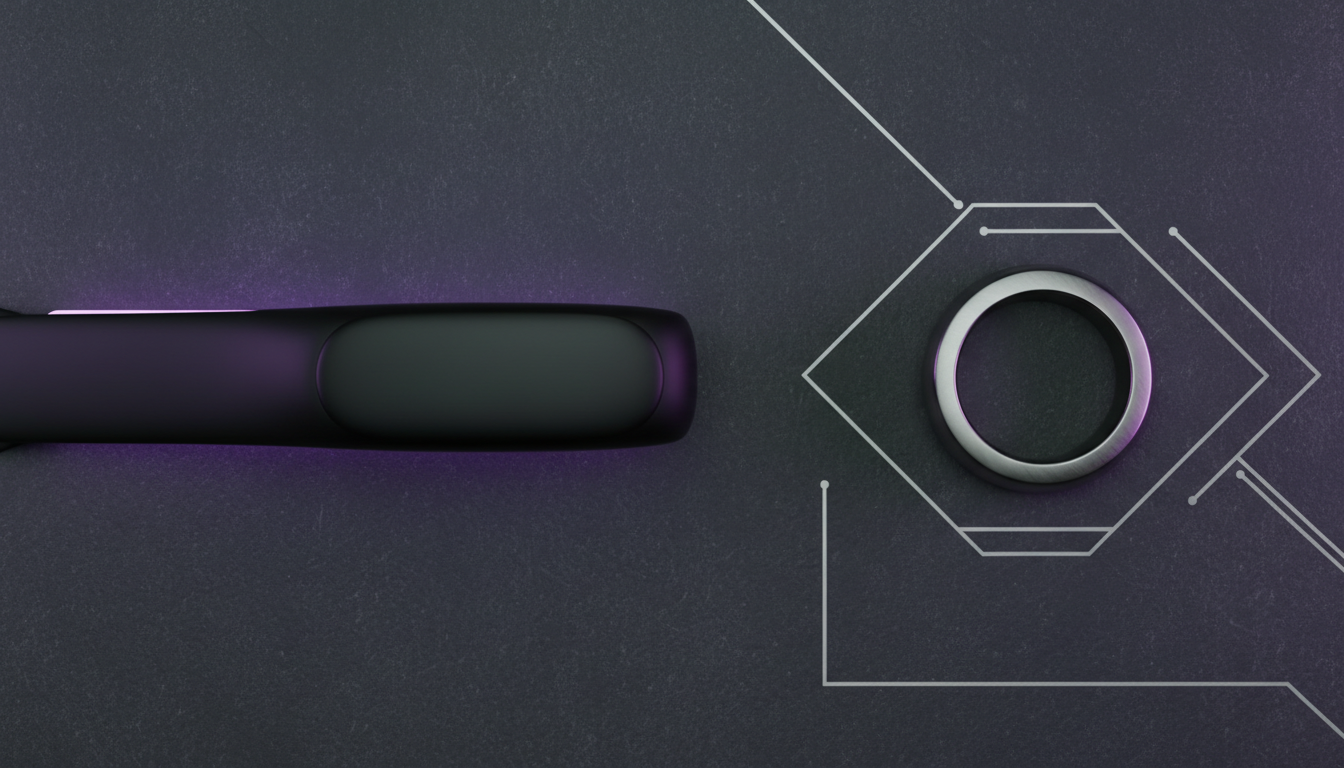
More than the marketing suggests. Both are screenless devices that measure your heart overnight and turn it into a morning score.
- Heart rate variability (HRV), the main signal of how recovered your nervous system is.
- Resting heart rate, which tends to rise with stress, illness, alcohol and fatigue.
- Sleep duration and timing, plus estimates of sleep stages.
- A daily score: WHOOP calls it recovery, Oura calls it readiness.
Both compare you to your own baseline rather than to other people. That matters after 40, because HRV naturally falls with age. My own median HRV across the whole record is 45 ms. On a chart built for 25-year-olds that looks poor. Against my own baseline, it’s useful. See how to improve your HRV.
How do the costs compare?
US list prices at the time of writing:
- WHOOP: One $199/year, Peak $239/year, Life $359/year. Band included.
- Oura Ring 4: from $349 for the ring, plus a membership of $5.99/month or $69.99/year, which you need to get the most from it.
Over two years, the entry options end up in a broadly similar range. Oura costs more up front; WHOOP costs more each year. Discounts on both come and go, and Irish prices differ, so check at checkout.
Which is better for training?
WHOOP. Its whole design is the loop between strain and recovery: how hard you worked, how well you recovered, how hard to go today. If you train four or more times a week, that loop is the value. See the recovery score explained and WHOOP strain and weight training.
My data shows why that loop matters. After my hardest days, with a strain of 17 or more, my next-morning recovery averages 55%. After easy days under 10, it averages 66%. I use that to decide whether the next session is a push day or a steady one.
A ring also isn’t ideal for heavy lifting. Gripping a barbell with a ring on is uncomfortable and can scratch it. A wrist or bicep band avoids that.
Get a free WHOOP + 1 month free →
Which is better for sleep?
Both are good at the things that matter: sleep timing, consistency, resting heart rate and HRV trends. Oura’s ring is very comfortable to sleep in and many people prefer it at night. WHOOP gives you a sleep need based on how hard you trained, which I find useful.
No consumer wearable perfectly measures sleep stages. Validation studies comparing wearables with lab sleep tests generally find them good at telling sleep from wake and at overnight heart rate, and less reliable at splitting light, deep and REM sleep. Use either for trends, not as a lab.
The most valuable thing either device did for me was simple: show me I sleep less than I thought. I average 6 hours 59 minutes asleep, and only about half my nights reach seven hours. See what 1,054 nights of sleep data taught me.
What about comfort and style?
- Oura looks like a ring. Most people won’t notice it.
- WHOOP is a screenless band on the wrist or bicep, or in compatible clothing.
If you wear a nice watch daily, WHOOP on the other wrist or the bicep works fine. If you want nothing visible, Oura wins.
What about an Apple Watch or Garmin instead?
Fair question. Smartwatches track heart rate, HRV and sleep too, and they do much more: messages, maps, GPS runs and payments. Garmin in particular is excellent for runners and cyclists.
The trade-off is focus. A watch has a screen, notifications and dozens of features competing for attention, and it needs charging off your wrist. WHOOP and Oura do less, but they’re designed to be worn 24/7 and to answer one question well. If you want a do-everything device, buy a watch. If you want a recovery coach, pick one of these two.
Questions to ask yourself before you buy
- How often do I train? Four or more sessions a week points to WHOOP.
- What’s my main goal? Better training decisions, WHOOP. Better sleep habits, either, with Oura slightly ahead on comfort.
- Will I actually change what I do? If not, neither is worth the money.
- Do numbers stress me out? If so, check weekly, or skip trackers for now.
- What do I wear on my hands and wrists? Lifters and manual workers often find rings awkward.
So which should a man over 40 buy?
- Choose WHOOP if you lift or train hard, want a daily answer on how hard to push, and like data.
- Choose Oura if your main goal is sleep, you train lightly, and you want something discreet.
- Choose neither yet if you’re not sleeping seven hours, drinking most nights, or not training. Fix those first. They’re free.
Why I’ve stuck with WHOOP
Years of daily wear for one reason: it changes what I do. I lift every second day with the RP Hypertrophy app, walk 10,000+ steps, cold plunge and sauna most days, and WHOOP tells me when to push and when to back off. I’m green 41% of days, yellow 48% and red 11%, and each colour has a rule. Pair it with a monthly Hume Body Pod scan and I see recovery and body composition side by side. See WHOOP and Hume together and 792 days of WHOOP.
Get the Simply Younger daily email
One short email a day: the newest post, what I’m testing, and what’s actually working for men over 40.
Join free →Frequently asked questions
Is WHOOP or Oura more accurate?
Both are reasonable for heart rate and HRV trends during sleep. Neither is a medical device for diagnosis.
Can you wear Oura while lifting?
You can, but gripping bars with a ring is uncomfortable and can damage it. Many lifters take it off.
Does Oura need a subscription?
Its full features need a membership. Without it you get very limited data.
Can I wear both?
Some people do, but you’ll get two slightly different scores. Pick one and learn its patterns.
Which has better battery life?
Both last several days. WHOOP charges on the go with its battery pack, so you never take it off.
Does LifeWave X39 work with either tracker?
X39 is separate. No claim is made that it changes any tracker score.
Related reading
Is WHOOP Worth It After 40? · WHOOP Recovery Score Explained · WHOOP Strain and Weight Training · How to Sleep Better After 40
Full disclosure. This article is general information, not medical advice. Personal figures are from my own WHOOP data export (30 November 2023 to 19 October 2026) and are one person’s observations, not a study. My WHOOP link is a member referral link and I receive free membership time when someone joins through it. I have no relationship with Oura. Prices quoted are US list prices at the time of writing and may change. Hume Health and PerfectAmino links are affiliate links. LifeWave products are not intended to diagnose, treat, cure or prevent any disease. As an authorised LifeWave Brand Partner I have a financial interest in promoting LifeWave products.
Leave a Reply